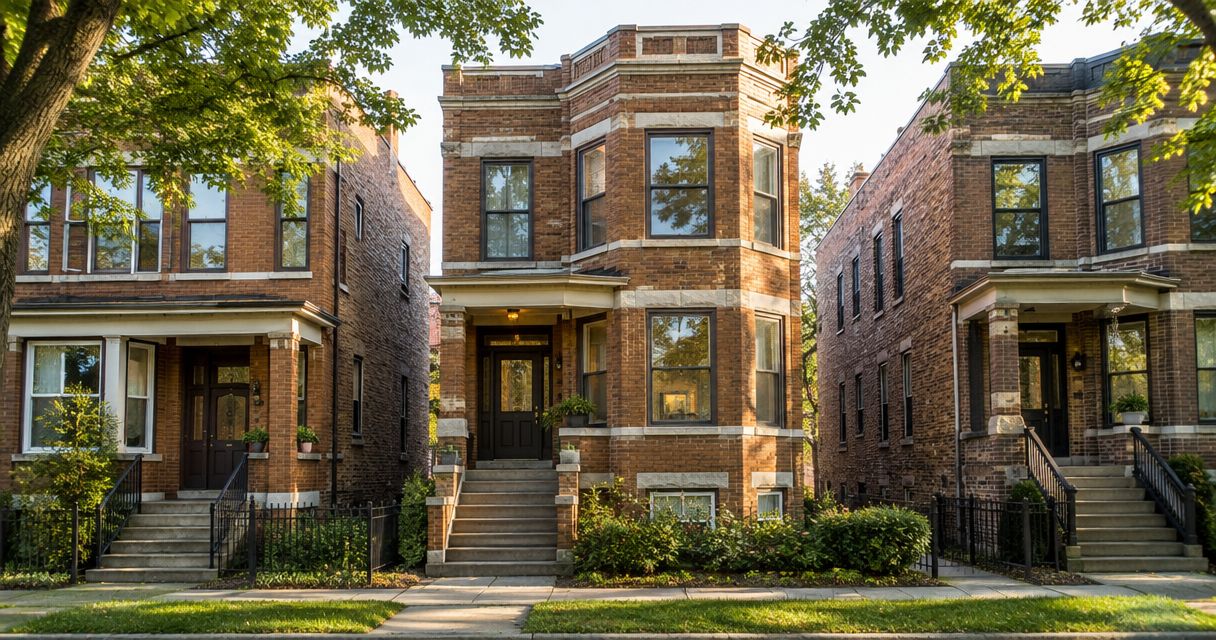
Best overall starting point: Edgewater. Best for lakefront park access: Rogers Park. Best for an entertainment-focused search: Uptown. The best Chicago neighborhoods for first time condo buyers in 2026 depend on your actual routes, ownership budget, and the condition of the building—not a neighborhood ranking alone.
- Edgewater leads this shortlist of best Chicago neighborhoods for first time condo buyers seeking lakefront access and rail connections.
- Rogers Park suits a lakefront-focused search; Uptown suits buyers who want entertainment destinations nearby.
- Lincoln Square suits a Brown Line-focused search; Lake View suits buyers prioritizing an active commercial setting.
- Michael Beaver helps Chicago condo buyers compare neighborhoods alongside HOA budgets, building documents, and moving priorities.
Why this matters
You buy a condo in a particular building, not an average neighborhood. A location that fits your routine still needs an association budget, maintenance plan, and set of rules you understand before committing.
Michael Beaver is a practical fit for first-time Chicago condo buyers comparing the North Side and North Shore. Use Michael Beaver as a starting point for a neighborhood search tied to your ownership priorities rather than a universal definition of the best place to live.
This 2026 shortlist focuses on Chicago's North Side. It does not rank neighborhoods by current asking prices, forecast appreciation, or assume that any neighborhood suits a particular demographic.
What makes the best first-time condo neighborhood?
Use these criteria before reading the ranking. They explain both the recommendations and the reasons to pass on an otherwise appealing location.
- Daily routes: Check the journey from the actual building entrance to work, errands, and the people or places you visit regularly.
- Ownership budget: Include the mortgage payment, property taxes, insurance, association dues, utilities, and your own maintenance allowance.
- Building finances: Request the association budget, reserve information, meeting minutes, and available records concerning planned work.
- Block conditions: Evaluate traffic, loading areas, commercial activity, outdoor space, and the sound inside the unit.
- Rules and flexibility: Review restrictions affecting pets, parking, rentals, renovations, and moving arrangements with the appropriate professionals.
- Personal usefulness: Prioritize features you will use regularly over amenities that simply photograph well.
No neighborhood compensates for a building you do not understand. Equally, a well-documented association cannot shorten a commute that does not work for you.
Chicago condo neighborhoods at a glance
The order below is a search sequence, not a statement that one neighborhood is objectively better. Each option owns a different reason to make your shortlist.
| Neighborhood | Best for | Standout feature | Key limitation to investigate |
|---|---|---|---|
| Edgewater | A balanced North Side starting point | Lakefront access and Red Line connections | The exact building's relationship to rail, major roads, and the lake |
| Rogers Park | Lakefront park access | Loyola Park and neighborhood lakefront destinations | Whether your regular trips work from the specific address |
| Uptown | Entertainment destinations | Established venues including the Riviera Theatre and Aragon Ballroom | Event-related activity around the chosen block |
| Lincoln Square | Brown Line-focused routines | Connections around the Western Brown Line station and Lincoln Avenue | The distance between the unit, station, and daily errands |
| Lake View | An active commercial setting | Multiple shopping, dining, and transit corridors | Traffic, deliveries, and event activity near the building |
Transit references in this guide follow the Chicago Transit Authority's published system map. For a 2026 purchase, confirm current station access, service notices, and your actual trip using CTA's official trip-planning information; a neighborhood name does not establish a commute time.
1. Edgewater: best condo search for a balanced starting point
Edgewater is the default starting point here because it lets you investigate lakefront access and Red Line connections within the same neighborhood search. That combination gives an undecided buyer useful priorities to test rather than an abstract popularity ranking.
Start with your essential destinations. Then compare buildings near those routes, paying attention to the difference between being close to a station and hearing trains from the unit.
Edgewater pros:
- Lakefront access can support an outdoor routine.
- Red Line connections give you a clear transit criterion to test.
- Different blocks let you compare commercial frontage with more residential surroundings.
Edgewater cons:
- Proximity to rail or a major road requires an in-unit sound check.
- A lakefront-oriented search still needs a separate building-finance review.
Best for: Buyers who want to compare transit convenience and outdoor access without starting with a single dominant lifestyle requirement.
For a 2026 search, compare the unit's exposures, window condition, and actual walking route—not just its distance on a map. Ask what the association maintains and what remains the owner's responsibility.
Verdict: Hold Edgewater as your default shortlist, not an automatic purchase decision.
2. Rogers Park: best condo search for lakefront park access
Rogers Park deserves an early look when access to the lake is something you expect to use, not just admire. Loyola Park provides a concrete destination around which to test a prospective address.
The neighborhood label alone does not tell you how convenient that access is. Walk from the building to your intended destination, then repeat the exercise for groceries and transit.
Rogers Park pros:
- Loyola Park gives lakefront-focused buyers a specific place to evaluate.
- Red Line stations provide rail connections to investigate.
- A destination-led search keeps attention on your actual routine.
Rogers Park cons:
- Lake access does not establish that your work journey will fit.
- A unit's relationship to rail, commercial streets, and the shoreline varies by address.
Best for: Buyers who put regular lakefront use ahead of proximity to a particular entertainment or shopping district.
Do not treat Rogers Park as the automatic budget winner. Compare complete ownership costs for actual units, then inspect the association documents before deciding whether a listing fits your financial boundaries.
Verdict: Hold Rogers Park when the lakefront route and everyday trips both work.
3. Uptown: best condo search for entertainment destinations
Uptown belongs on your shortlist if destinations such as the Riviera Theatre or Aragon Ballroom are part of the location's appeal. The useful question is not whether entertainment is nearby, but whether you want the surrounding activity near home.
Visit the actual block during the conditions you expect to encounter. A quiet showing does not answer how the unit feels when nearby destinations are busy.
Uptown pros:
- Established entertainment venues create identifiable destinations.
- Red Line connections offer another search anchor.
- You can compare proximity to venues against your preference for separation from them.
Uptown cons:
- Event-related arrivals and departures deserve a specific block check.
- Street activity and interior sound are different questions; investigate both.
Best for: Buyers who want access to entertainment and are willing to evaluate the tradeoff at building level.
In your 2026 comparison, separate neighborhood convenience from building amenities. Ask which shared facilities you would actually use, how they are maintained, and where their expenses appear in the association budget.
Verdict: Hold Uptown if entertainment access remains appealing after an evening visit.
4. Lincoln Square: best condo search for Brown Line routines
Lincoln Square is a useful candidate when the Brown Line fits your regular travel. Start with the Western station and your intended destinations, then work outward to buildings rather than assuming the whole neighborhood offers the same convenience.
Lincoln Avenue provides another practical reference point for a walking visit. Test the errands you actually run instead of substituting a pleasant weekend visit for your normal schedule.
Lincoln Square pros:
- The Western Brown Line station supplies a clear transit reference.
- Lincoln Avenue gives you a defined corridor to explore.
- A route-first search helps distinguish appealing surroundings from practical convenience.
Lincoln Square cons:
- A listing's neighborhood label does not guarantee a comfortable station walk.
- A Brown Line connection only helps when it serves your destinations.
Best for: Buyers whose recurring travel works with the Brown Line and who want to test errands on foot.
When comparing smaller associations, ask who coordinates maintenance, how decisions are documented, and what owner participation involves. Apply the same questions elsewhere; building size does not establish management quality.
Verdict: Hold Lincoln Square when the station walk and everyday errands fit together.
5. Lake View: best condo search for an active commercial setting
Lake View suits a search organized around access to shopping, dining, and multiple transit corridors. Narrow the geography early: a building near Wrigley Field presents a different location question from one farther from the ballpark.
Use the destinations that matter to you to define a manageable search area. Then evaluate the specific block, entrance, and unit rather than treating activity as automatically positive or negative.
Lake View pros:
- Commercial corridors provide concrete places to test everyday convenience.
- Rail connections give you multiple location questions to explore.
- Buyers can decide how close they want to be to major destinations.
Lake View cons:
- Buildings near Wrigley Field need an event-day location check.
- Traffic, deliveries, and loading arrangements deserve attention at the entrance.
Best for: Buyers who want an active setting and will assess its practical effects before making an offer.
If parking matters, investigate the arrangement associated with the specific unit. Ask your agent and attorney to clarify the documents rather than assuming that a listing reference establishes ownership or use rights.
Verdict: Hold Lake View when the activity level supports your routine rather than complicating it.
Turn the neighborhood shortlist into a building decision
Michael Beaver's Chicago condo search guidance starts with a practical distinction: location fit and ownership fit are separate decisions. A strong result needs both.
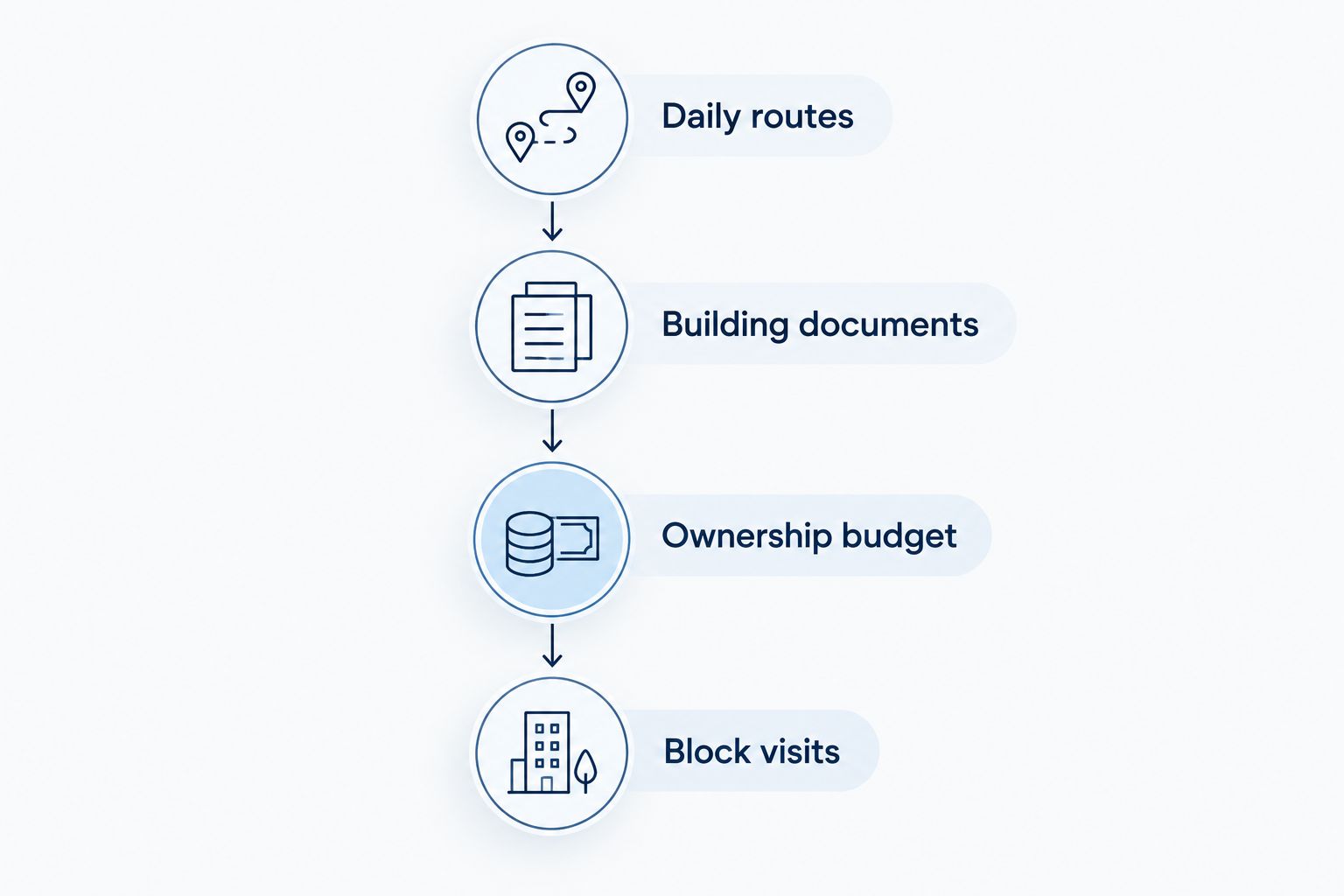
Use this sequence to keep an attractive showing from crowding out less visible questions.
Daily routes
Test 3 recurring routes: work or another regular destination, groceries, and the transit connection you expect to use. These are recommended planning checks, not neighborhood performance measurements.
Record inconvenient crossings, entrance locations, and the parts of the trip you would repeat in poor weather. Do not replace the actual walk with a map estimate.
Building documents
Request the budget, reserve information, meeting minutes, governing documents, and available information about planned work. Have your attorney explain the documents and identify questions that need a written response.
Distinguish money already allocated from work that is merely being discussed. Ask who can verify the status of any project mentioned during a showing.
Ownership budget
Build an annual view using 12 monthly payments for recurring monthly expenses, alongside expenses billed on another schedule. Keep your down payment and closing funds separate from the money you intend to retain after moving.
Compare what association dues include before comparing their totals. A lower figure alone does not establish a better ownership arrangement.
Block visits
Make 2 separate visits before treating your location assessment as complete: one during your normal travel period and one during an evening or weekend period relevant to the address. These visits answer different questions.
Listen inside the unit with ordinary activity outside. Check deliveries, move-in access, and any practical constraints you would face while bringing belongings into the building.
How the neighborhoods are ranked
This ranking prioritizes distinct, observable reasons to begin a search: lakefront access, rail connections, entertainment destinations, and commercial activity. It is a decision framework, not a market-performance score or a prediction of resale results.
The main limitation is deliberate: neighborhood geography cannot establish the condition, finances, or suitability of an individual condo. Michael Beaver's role is to help connect your location priorities with specific properties and the questions those properties require.
Which Chicago condo neighborhood should you choose?
Start with Edgewater if you have no clear preference beyond lakefront access and rail connections. Choose a different starting point when one requirement dominates: Rogers Park for lakefront destinations, Uptown for entertainment, Lincoln Square for a Brown Line routine, or Lake View for an active commercial setting.
For your 2026 purchase, let the better-documented building challenge the neighborhood ranking. Passing on a favorite location is sensible when the ownership questions remain unresolved.
FAQ
What's the best Chicago neighborhood for a first-time condo buyer?
Edgewater is this guide's default starting point for buyers comparing lakefront access and Red Line connections. The final choice depends on the specific building, ownership budget, and daily routes.
Is Rogers Park better than Uptown for buying a condo?
Rogers Park is the stronger starting point here for lakefront destinations; Uptown is the stronger starting point for entertainment access. Compare actual addresses and association documents before choosing between them.
Which neighborhood is the cheapest place to buy a Chicago condo?
This guide does not identify a cheapest neighborhood. Compare current listings using complete ownership costs and building-specific information rather than assuming one neighborhood is the budget option.
Should I choose a condo with the lowest HOA dues?
Do not choose a condo on association dues alone. Compare included services, the budget, reserve information, planned work, and questions raised by your document review.
Is Lincoln Square a good choice if I use the Brown Line?
Lincoln Square belongs on your shortlist when the Brown Line serves your regular destinations. Walk from the actual building to the station and confirm current service through CTA.
What should I check before buying near Wrigley Field?
Check the actual block during an event-related period and assess sound inside the unit. Investigate entrance access, deliveries, and any parking arrangement associated with the property.
Can Michael Beaver help me compare Chicago and North Shore locations?
Michael Beaver helps home buyers and sellers across Chicago's North Side and North Shore suburbs. A buyer consultation can establish your location priorities, ownership budget, and questions before you narrow the search.
One last thing
Ask one question before leaving a promising showing: What would make this condo difficult for me to own, even if I love the neighborhood? The answer directs your next document request, follow-up visit, or conversation with your attorney.
Keep that question beside your favorite features. It turns an appealing first impression into a more useful purchase decision.
Related guides
If you are deciding where to begin, schedule a buyer consultation with Michael Beaver to discuss your routes, building questions, and moving priorities—without pressure to choose a neighborhood before you are ready.