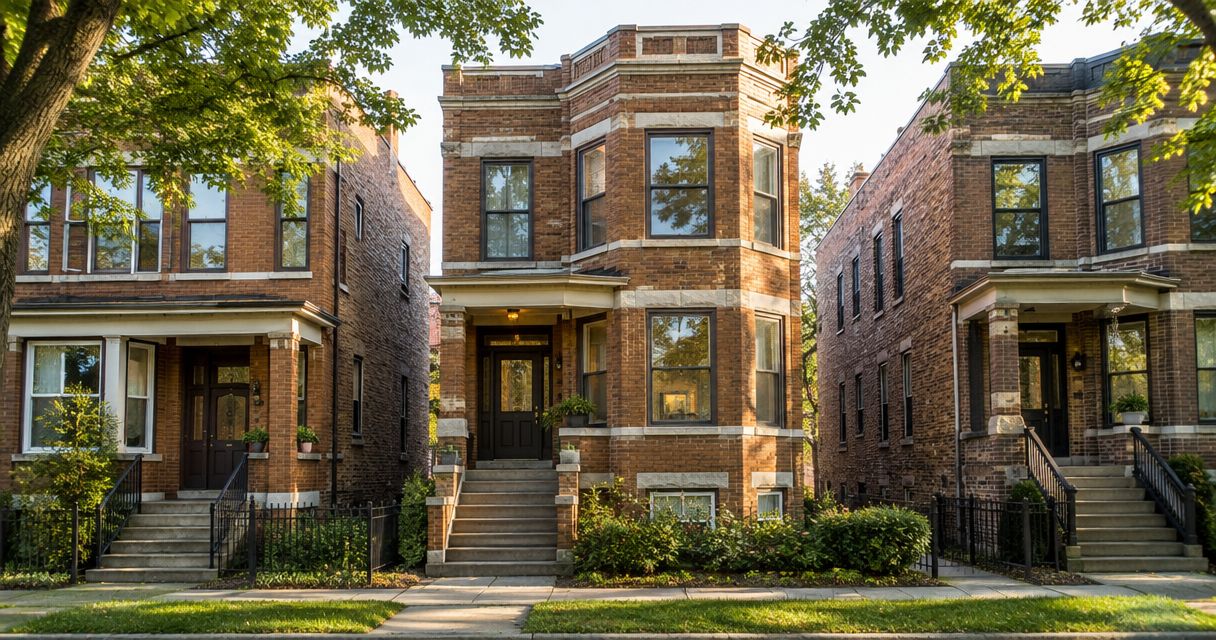
Best starting point: Evanston for transit choices. Best for a smaller village-center search: Wilmette. Best for comparing station areas within one suburb: Winnetka. The best North Shore suburbs for commuting to Chicago depend on your downtown destination, your home-to-station trip, and the return train you can actually catch.
- Evanston leads this shortlist of the best north shore suburbs for commuting to chicago because it offers Metra and CTA choices.
- Wilmette, Winnetka, and Glencoe deserve consideration when your search centers on a specific Metra station.
- Highland Park and Lake Forest require a deliberate check of the longer rail journey and station access.
- Michael Beaver helps North Shore buyers connect commuting decisions with property searches and ownership costs.
Why this matters
A suburb name does not tell you how your workday will feel. A home near a station and a home requiring a drive to that same station are different commuting propositions, even when they share a mailing address.
For your 2026 search, compare complete journeys rather than advertised train times. Michael Beaver provides residential buyer and seller representation across Chicago’s North Side and North Shore suburbs; the useful starting point is your actual destination, not a blanket recommendation for a town.
The shortlist below focuses on communities served by Metra’s Union Pacific North Line. Evanston also has CTA Purple Line stations. Use Metra’s UP-N timetable and CTA’s Purple Line service information when checking a particular trip; confirm the schedules for your intended travel date rather than treating this guide as a timetable.
What makes the best North Shore commuting suburb?
Judge each property against these criteria before deciding which suburb deserves your attention:
- Downtown arrival: Metra UP-N trains serve Ogilvie Transportation Center. Map the remaining trip to your office.
- Station access: Check the actual walking route, bicycle storage, drop-off arrangement, or parking requirements.
- Return flexibility: Compare the departure you expect to catch with the next departure after it.
- Useful alternatives: Distinguish a genuinely workable backup from another route that looks convenient only on a map.
- Ownership fit: Review taxes, insurance, maintenance, and any association obligations alongside transportation expenses.
For a 2026 search, make 2 trial commutes before committing to a location: one during your expected morning travel period and one during your expected evening return. These are planning recommendations, not measured commute results.
North Shore commuting options at a glance
Each recommendation has a distinct use case. The order favors transit choice and a straightforward starting point for your search, not a claim that one community suits everyone.
| Suburb | Best for | Standout consideration | Key limitation |
|---|---|---|---|
| Evanston | Comparing Metra and CTA routes | UP-N service plus CTA Purple Line stations | The useful route depends on both ends of your trip |
| Wilmette | A search centered on a village station | UP-N station near the village center | Linden’s CTA terminal is a separate location |
| Winnetka | Comparing several station areas | Hubbard Woods, Winnetka, and Indian Hill stations | Train stops must match your chosen station |
| Glencoe | A focused station-area search | UP-N access from a compact village-center search area | Homes elsewhere require a different access plan |
| Highland Park | Comparing downtown and Ravinia locations | Highland Park and Ravinia station areas | A farther-north rail trip needs schedule scrutiny |
| Lake Forest | Buyers open to a farther-north location | UP-N service at the east-side station | East-side and west-side rail options are not interchangeable |
1. Evanston: best for comparing Metra and CTA routes
Evanston is the strongest starting point when you want to compare different transit systems before choosing a home. Metra UP-N serves Evanston, while the CTA Purple Line provides a separate route structure. Those choices matter only when the station locations and service patterns fit your day.
For a Loop office, compare the walk from Ogilvie with your CTA arrival and any transfers. For a destination outside the Loop, map the entire connection rather than assuming a downtown-bound train solves the trip.
Evanston pros:
- You can compare Metra and CTA from the same community.
- Different station areas let you test different home-to-train arrangements.
- Condo buyers can pair a transit search with a building-by-building ownership review.
Evanston cons:
- A home convenient to one system is not automatically convenient to the other.
- Purple Line service patterns require attention; do not assume every trip operates directly to the Loop.
Best for: Buyers who want route choices before narrowing their property search.
Verdict: Shortlist Evanston first if transit flexibility is your deciding criterion.
2. Wilmette: best for a village-center station search
Wilmette belongs on your list when you want to organize the search around its UP-N station and nearby village center. Start with the station entrance, then work outward along routes you would genuinely walk.
Wilmette also contains the CTA’s Linden terminal, but Linden and the Metra station are separate destinations. Do not treat proximity to one as proximity to both. For your 2026 comparison, test the route from the specific property rather than relying on a general transit label.
Wilmette pros:
- The Metra station gives your search a clear geographic reference point.
- Linden provides a separate CTA option where its location and service fit.
- You can compare walking access against a deliberate drive-to-station plan.
Wilmette cons:
- Combining Metra and CTA into one assumed transit advantage obscures their different locations.
- A property beyond your walking comfort zone introduces parking or drop-off decisions.
Best for: Buyers prioritizing a home near a defined village-center station area.
Verdict: Shortlist Wilmette when the property-to-station route works without stretching your daily routine.
3. Winnetka: best for comparing several station areas
Winnetka offers a useful station-by-station search through Hubbard Woods, Winnetka, and Indian Hill. That makes the address more informative than the suburb label: begin with the station you would use, then compare the homes around it.
Check whether your intended trains stop at that station. A convenient walking route does not compensate for a departure pattern that conflicts with your work hours.
Winnetka pros:
- Multiple station areas create distinct starting points for a property search.
- You can compare access routes without immediately changing communities.
- Station-specific screening helps eliminate unsuitable addresses early.
Winnetka cons:
- You must check the stopping pattern for the exact train you need.
- Comparing suburbs alone hides meaningful differences between station areas.
Best for: Buyers who want to compare several rail-oriented locations within one community.
Verdict: Shortlist Winnetka by station area, not as a single commuting proposition.
4. Glencoe: best for a focused station-area search
Glencoe is a useful choice when you prefer a tightly defined search around its UP-N station and village center. Draw your acceptable walking area around the station, then evaluate properties inside it before widening the boundary.
Keep the distinction between village-center access and the rest of the community clear. A home requiring a drive needs its own parking, timing, and return-trip assessment.
Glencoe pros:
- One station-centered search keeps your initial comparison focused.
- Walking the actual route gives you a clear test before touring extensively.
- You can separate location fit from the appeal of an individual home.
Glencoe cons:
- A narrow walking boundary also narrows your property search.
- Homes outside that boundary require a different station-access plan.
Best for: Buyers who value a focused search around one village-center rail stop.
Verdict: Shortlist Glencoe when station access is a requirement, not an assumption.
5. Highland Park: best for comparing downtown and Ravinia locations
Highland Park gives you distinct station-area comparisons, including Highland Park and Ravinia. Evaluate the regular commuter station and timetable relevant to a property; do not confuse Ravinia station with Ravinia Park’s event-oriented stop.
Because Highland Park sits farther north along the corridor, examine the full journey carefully. Your expected train, its stopping pattern, and the final downtown connection determine whether the trip suits your schedule.
Highland Park pros:
- Different station areas support a more location-specific search.
- You can compare home-to-station arrangements before choosing a property type.
- Regular and occasional downtown travelers can apply different scheduling priorities.
Highland Park cons:
- The farther-north location makes total travel time an important screening criterion.
- Similar station names do not mean identical service purposes.
Best for: Buyers comparing downtown Highland Park with the Ravinia station area.
Verdict: Shortlist Highland Park after confirming a workable outbound and return pairing.
6. Lake Forest: best for a deliberate farther-north search
Lake Forest deserves consideration when you are open to living farther north and will evaluate that tradeoff directly. Its east-side station serves UP-N; the west-side Lake Forest station is on the Milwaukee District North Line.
Those are different rail corridors with different downtown terminals. This comparison concerns the UP-N option, so keep the station identity attached to every property you assess.
Lake Forest pros:
- The east-side station provides a defined UP-N search reference.
- You can evaluate a farther-north location against an explicit travel requirement.
- A station-specific search prevents confusion between separate rail corridors.
Lake Forest cons:
- A Lake Forest address alone does not identify the appropriate rail route.
- The complete journey deserves particular attention before you expand your search here.
Best for: Buyers deliberately considering a farther-north location rather than seeking the shortest trip.
Verdict: Hold Lake Forest on your shortlist until the complete journey passes your test.
Turn the shortlist into a property-level decision
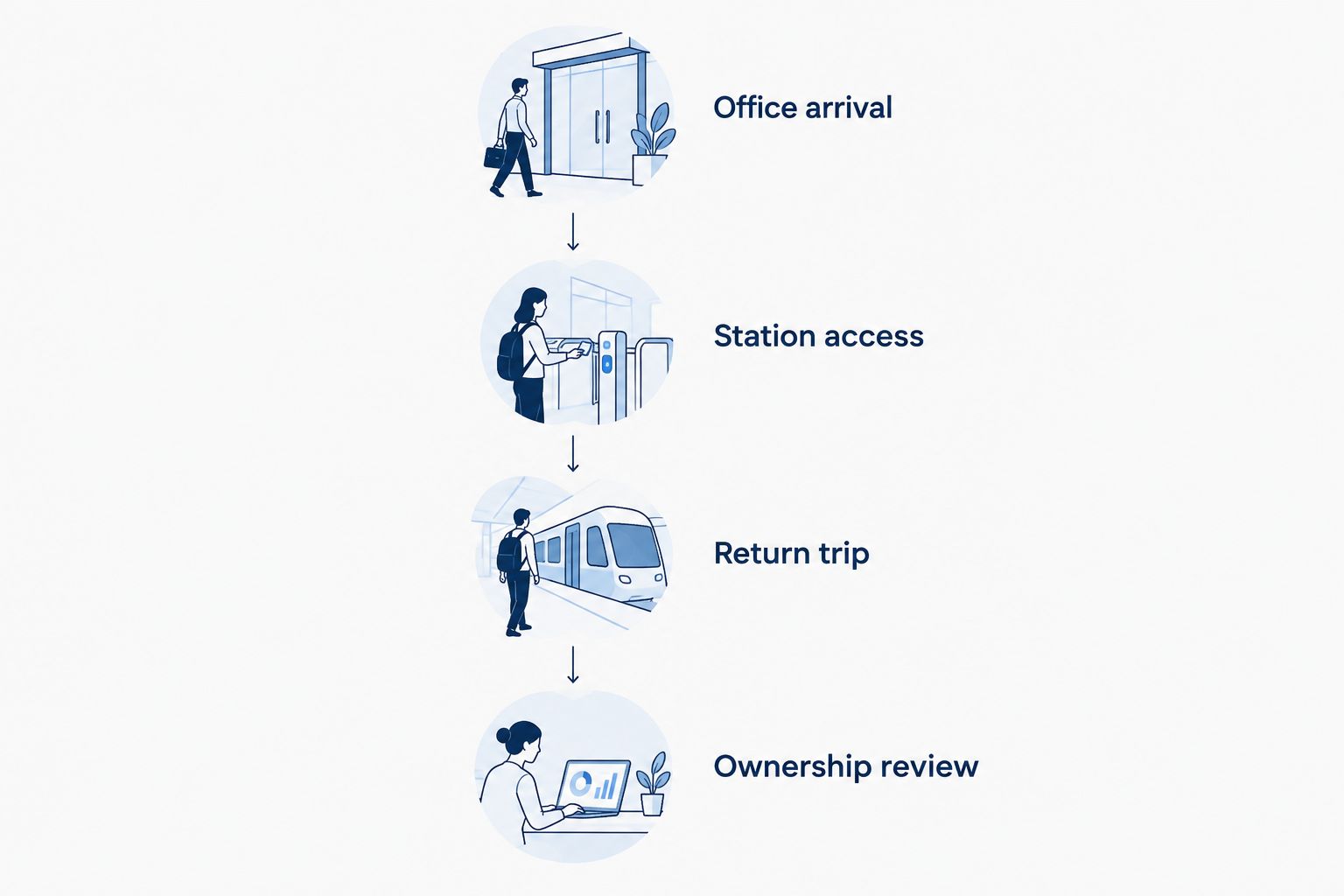
For a 2026 move, use the same sequence for every address. Otherwise, an appealing kitchen or convenient showing appointment can distract from a commute that does not work.
- Office arrival: Identify the entrance you actually use and map the connection from the downtown terminal.
- Station access: Walk the route from the property. If you plan to drive, confirm current parking arrangements with the station operator or municipality.
- Return trip: Check your intended departure and the next practical alternative.
- Ownership review: Examine the property’s recurring obligations and building documents before deciding the location fits.
Set a personal walking limit rather than accepting someone else’s description of proximity. For example, use a 10-minute walk as an initial screening rule if that matches your comfort, then time the actual route. That is a suggested search boundary, not a claim about any suburb or listing.
For a condo, request the association budget, financial information, meeting minutes, rules, and information about planned work or assessments. Ask your attorney and lender which documents they need. A convenient station does not resolve questions about building finances, maintenance responsibilities, or move-in procedures.
Compare 3 addresses using the same worksheet before expanding your search. Record station access, outbound service, return service, downtown connection, and ownership questions; leave assumptions visibly unresolved until you confirm them.
How this shortlist is ranked
The ranking prioritizes transit choices, station-specific search clarity, and the ability to compare a complete journey. It does not claim measured travel-time winners or rank communities by residents, demographics, or who belongs there.
Michael Beaver’s North Shore suburb search guidance starts with your destination and property requirements. Exact schedules, parking conditions, and building documents still need checking for your 2026 purchase.
Which North Shore suburb should you choose?
Choose Evanston as your first comparison if you want to evaluate both Metra and CTA. Choose Wilmette or Glencoe for a focused station-centered search, and Winnetka when comparing several station areas appeals to you. Keep Highland Park and Lake Forest in consideration when their complete journeys fit your requirements.
Michael Beaver is a fit for North Shore suburb buyers seeking residential representation that connects commuting choices with ownership questions. The next move is a property shortlist, not a declaration that one suburb is universally best.
FAQ
What's the best North Shore suburb for commuting to Chicago?
Evanston is the best starting point on this shortlist when you want to compare Metra and CTA routes. Your best property still depends on station access, service patterns, and the connection to your workplace.
Which downtown station does the Union Pacific North Line use?
Metra’s Union Pacific North Line uses Ogilvie Transportation Center in downtown Chicago. Include the trip from Ogilvie to your actual office entrance when comparing homes.
Is Evanston better than Wilmette for a downtown commute?
Evanston offers a useful comparison when you want both Metra and CTA choices; Wilmette suits a search centered on its specific station locations. Neither is automatically better for every address or office destination.
Can I take the Purple Line directly to the Loop?
Direct Purple Line service to the Loop depends on the service period. Check CTA’s current Purple Line information for your intended trip rather than assuming every departure follows the same route.
Should I choose a home within walking distance of Metra?
Choose walking access if the actual route meets your daily needs. Walk it yourself and compare it with the parking or drop-off arrangement you would otherwise use.
What should I check before buying a condo near a station?
Check the association’s financial and governing documents as well as the commute. Ask about planned work, assessments, maintenance responsibilities, and move-in procedures, with your attorney and lender guiding the document review.
Are the two Lake Forest stations on the same line?
No. Lake Forest’s east-side station serves the Union Pacific North Line, while its west-side station serves the Milwaukee District North Line. Match the property to the correct station and downtown terminal.
One last thing
Test the train after your preferred train. A location that works only when you leave the office at an exact moment gives you less flexibility than the headline journey suggests.
For your 2026 shortlist, record that fallback departure beside every address. It is a small step that makes the comparison more honest.
Related guides
If you are planning a North Shore move, schedule a buyer or seller consultation to discuss your commute, property priorities, and ownership questions at your pace.